A. The risk when Canada weakens protection for species Q. What is extinction?
The term “jeopardy test” may evoke Canada’s favourite quiz show, but it’s actually the final answer to the legislative question of how we can prevent wildlife species from disappearing.
A key part of the Species at Risk Act (SARA) — the federal law passed in 2002 to protect and recover at-risk Canadian wildlife before it’s too late — the jeopardy test ensures that government cannot approve a development project if it would jeopardize species survival or recovery.
Yet that part of the law was itself put at risk last spring when a federal government discussion paper proposed exempting major projects from jeopardy tests if cabinet decided that was “in the public interest.”
Following widespread public criticism, including from WWF-Canada, the test has reportedly been dropped from the proposed regulatory changes.
But the broader risk has not disappeared.
Ottawa still retains significant power to exempt projects or otherwise weaken environmental regulations — including for more than 600 species currently listed as at risk. That means major projects can be pushed through updated processes that limit scrutiny, compress timelines and/or fail to fully account for the cumulative impacts of development.
And this harm isn’t just felt by species at risk. The way we help threatened wildlife is largely by protecting and restoring their habitats, which helps us too. Healthy, connected ecosystems perform many functions that we also depend on — filtering water as it moves through healthy watersheds, providing fish and food stocks for wildlife and people, mitigating droughts and flooding with water-regulating forests, and storing and capturing carbon. When one part of nature is degraded, the effects move through the entire system.
The question now is not just if the jeopardy test will survive on paper, but whether federal decision making will fully consider what development means on the ground (and in the water) for species at risk and their habitats.
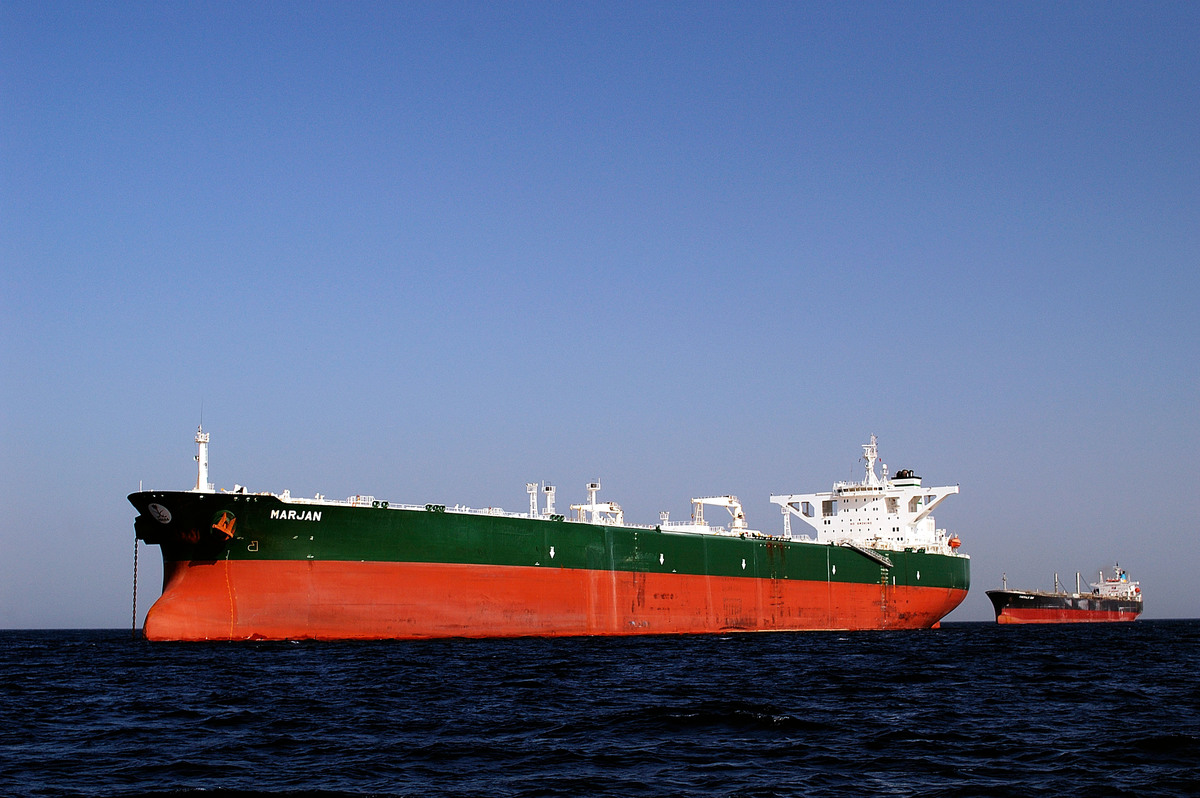
On August 1, 2026, Ottawa announced it’s considering designating the West Coast Oil Pipeline as a project of national interest, with public comments open until Sept. 18. This pipeline would extend from Bruderheim, Alta., just northeast of Edmonton, to Delta, B.C., just south of Vancouver.
There, it would load tankers at a planned new oil terminal — right beside Roberts Bank Terminal 2 (RBT2), a proposed major project for container ships expected to start construction in 2028, and adjacent to the Roberts Bank Wildlife Management Area.
Could these major projects jeopardize species survival or recovery? Here are three at-risk species that live near the proposed projects:
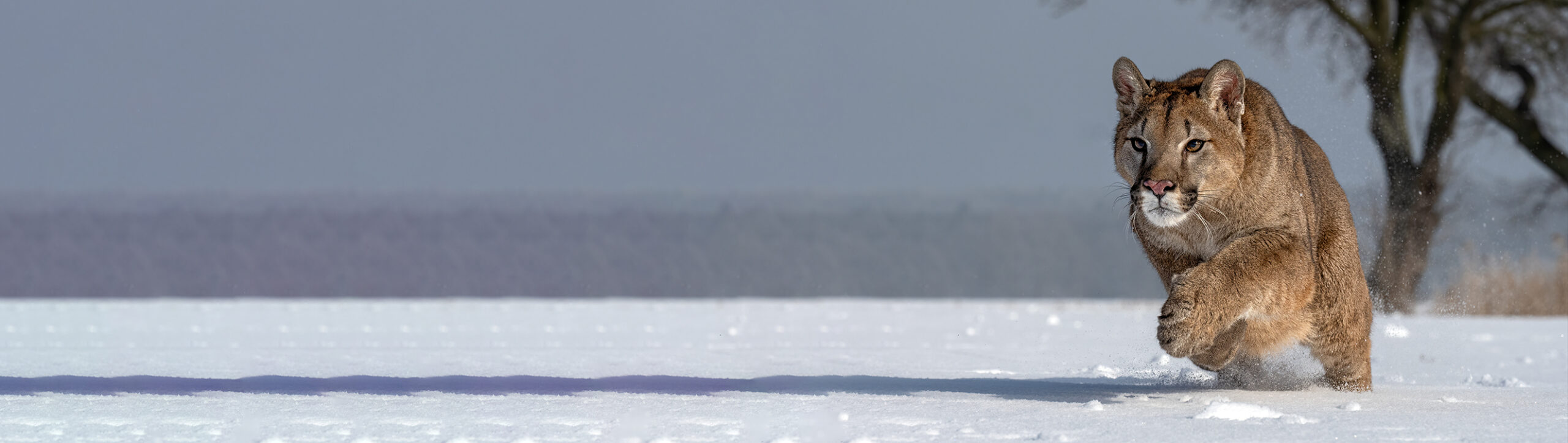
Southern mountain caribou (Threatened, pending Endangered listing)
Southern mountain caribou live in the undisturbed forests of B.C.’s Interior and west-central Alberta. The main threat to these large land mammals is industrial development like mining, forestry and oil which break up their habitats with roads, increasing the risk of predation, poaching and becoming roadkill — and limiting the caribou’s ability to access food. The West Coast Oil Pipeline could make this problem worse, further fragmenting the large tracts of old-growth forest this species relies on.
Over the past 30 years, the population of almost every southern mountain caribou herd has declined and seven out of a total of 35 herds have become extirpated, or locally extinct, prompting several First Nations to call for an emergency protection order. The construction of a pipeline across the Rocky Mountains would likely continue this trend.
Chinook salmon (multiple Threatened and Endangered populations, under SARA consideration)
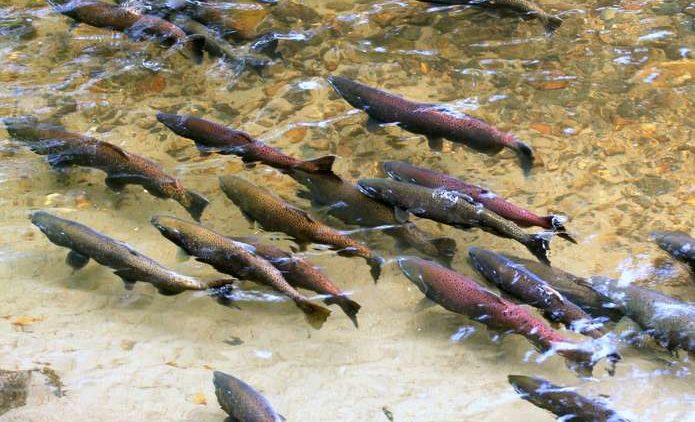
Chinook salmon in B.C., especially Fraser River populations on the south coast, have significantly declined due to the combined pressures of overfishing and bycatch, warming ocean and freshwater temperatures, and pollution.
The proposed West Coast Oil Pipeline would cross the Fraser and Thompson rivers and tributaries, raising the risk of disturbance to chinook spawning streams. (Most of these populations were assessed as endangered in 2018 and 2020 and are awaiting review to be added to SARA.)
The pipeline would end at Roberts Bank, near the mouth of the Fraser, where construction of a terminal would physically destroy some of the critical habitat for juvenile chinook and degrade what remains.
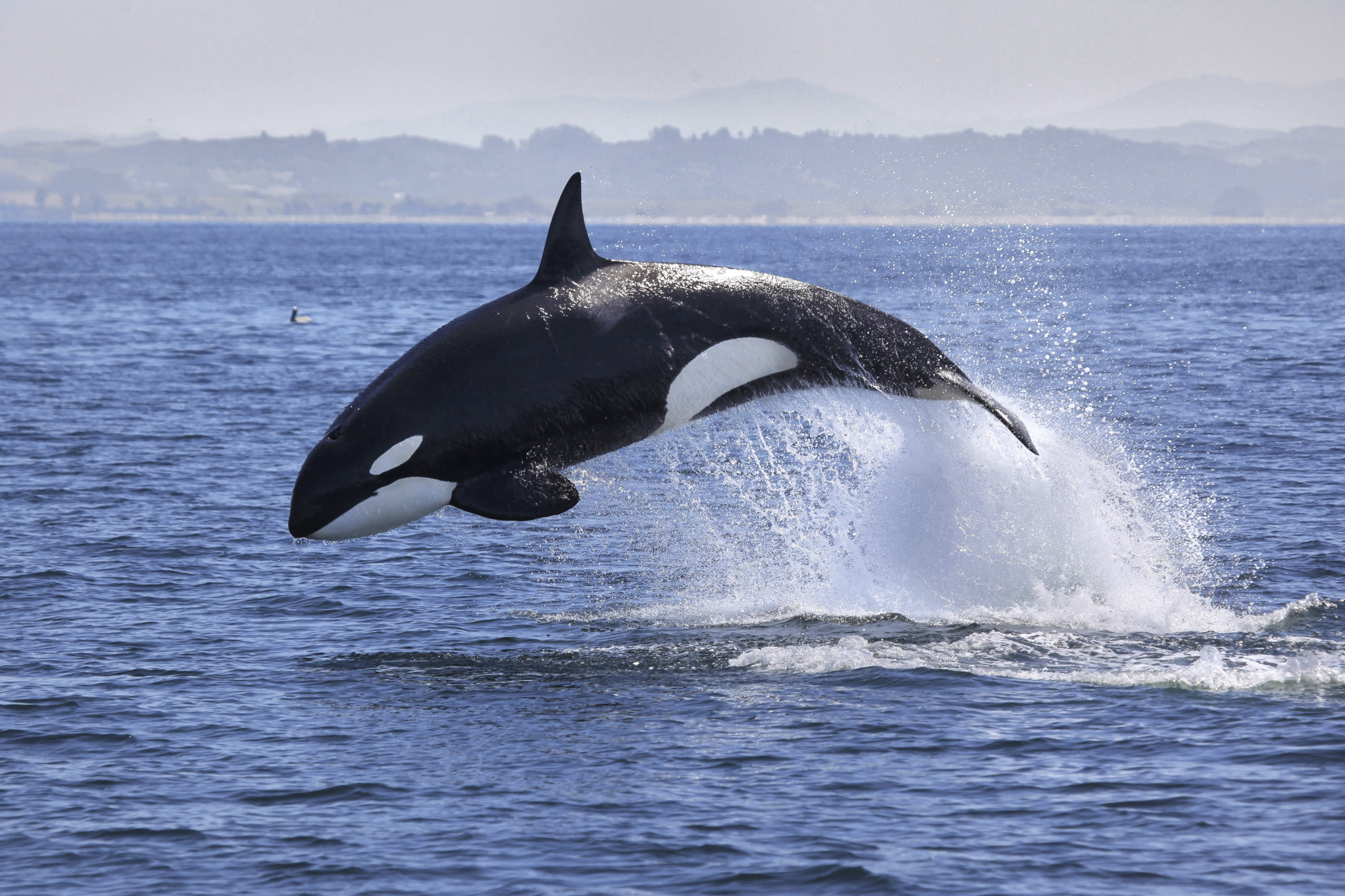
Southern resident killer whale (Endangered)
Only around 75 individuals are left in this iconic orca population, whose critical habitat lies in and around the Salish Sea between southern Vancouver Island and the mainland. The main threats to southern resident killer whales’ continued survival are access to chinook salmon, their primary food source; disturbance and noise from shipping and other marine activities like construction, which blocks their ability to communicate, navigate and locate prey; and environmental contaminants.

In 2018 and again in 2024, WWF-Canada and other conservation organizations sought emergency orders that could offer immediate protections for these southern resident killer whales. We argued that emergency orders would help reduce threats from growing pressures from shipping traffic and noise, make salmon stocks more accessible to the killer whales and begin reducing pollution. On both occasions, the federal government determined the population faced “imminent threats” to their survival and recovery. On both occasions, the government also denied those requests, opting for less extensive incremental measures that have had marginal benefits and remain insufficient.
In addition to directly impacting chinook salmon, the southern residents’ main food source, construction of the proposed West Coast Oil Pipeline and expansion of the Roberts Bank Superport with new terminals would significantly increase shipping traffic in the Salish Sea as well as associated threats of underwater noise, disturbance and contaminants.
Why strong oversight still matters, now more than ever
Despite the limitations inherent in the Species at Risk Act, it requires the government to weigh exactly the kind of harm that these species would face before approving projects like pipelines and terminals. Additional development mitigation safeguards exist in regulations such as the Impact Assessment Act. But not only has the federal government failed to followed through on SARA’s legal requirements, it also recently announced that environmental impacts of pipeline projects will now be assessed under the less robust regime of the Canada Energy Regulator.
The federal government seemingly backing away from gutting SARA’s jeopardy test is a step in the right direction. But at this time of rapid development, environmental safeguards need to be bolstered, not brushed aside. Strong oversight and science-based decision making must apply to all major projects because these species, from mountain caribou to southern residents and chinook salmon, are part of Canada’s natural heritage.
Saving at-risk species is not a game, but their disappearance would be a loss for us all.