/ ©: Vicki Sahanatien/WWF-Canada

Arctic Shipping

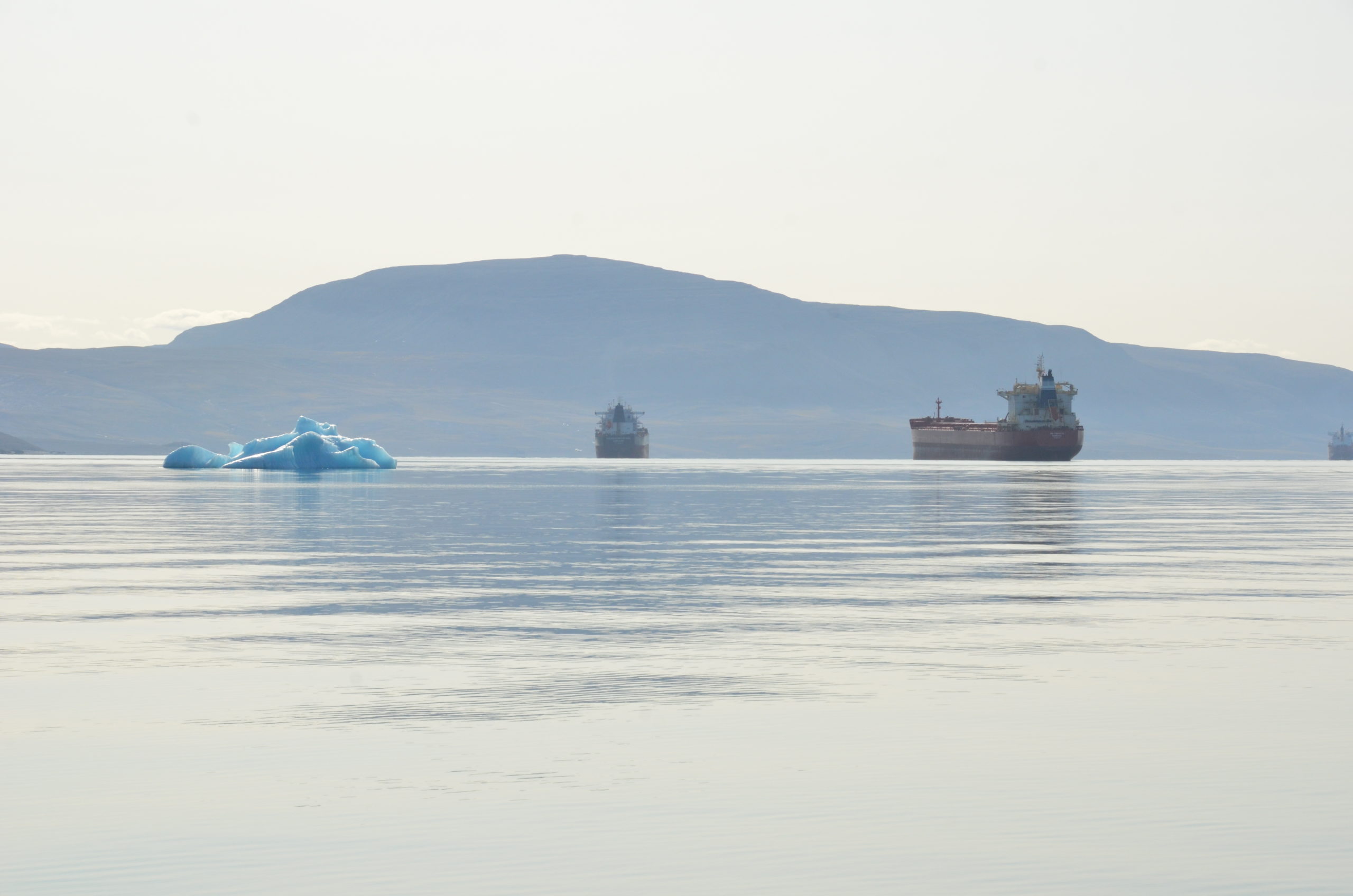
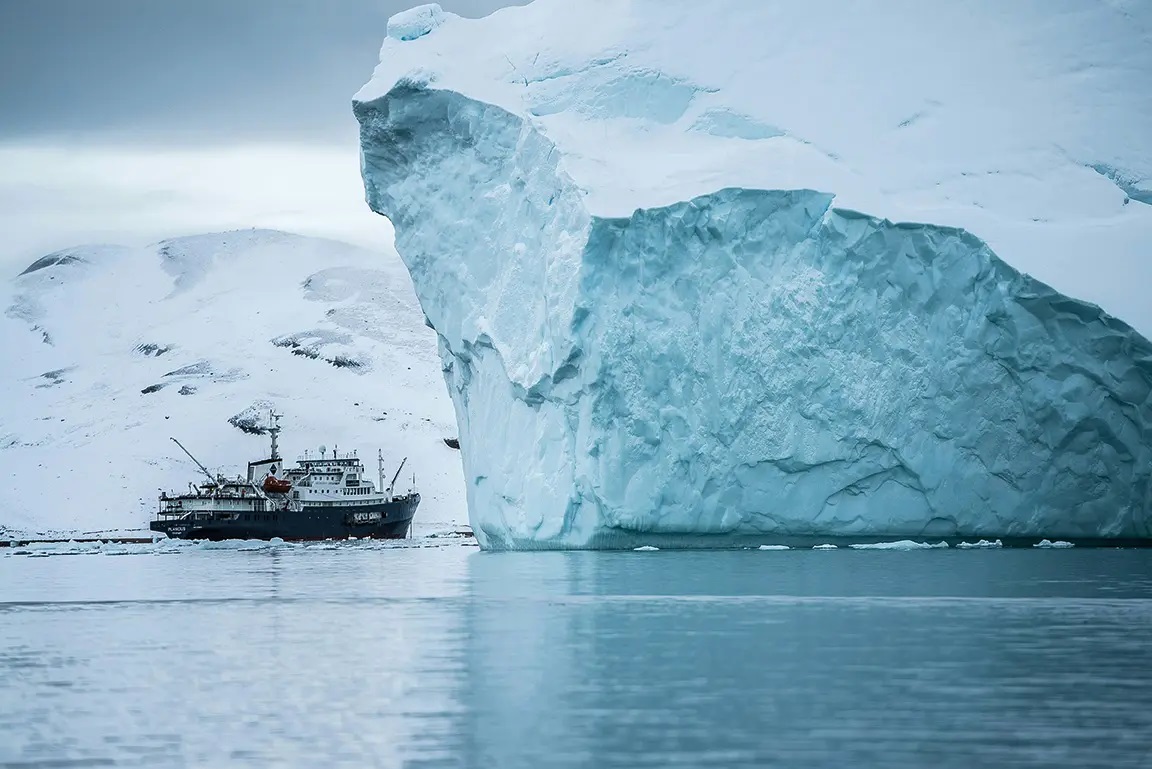
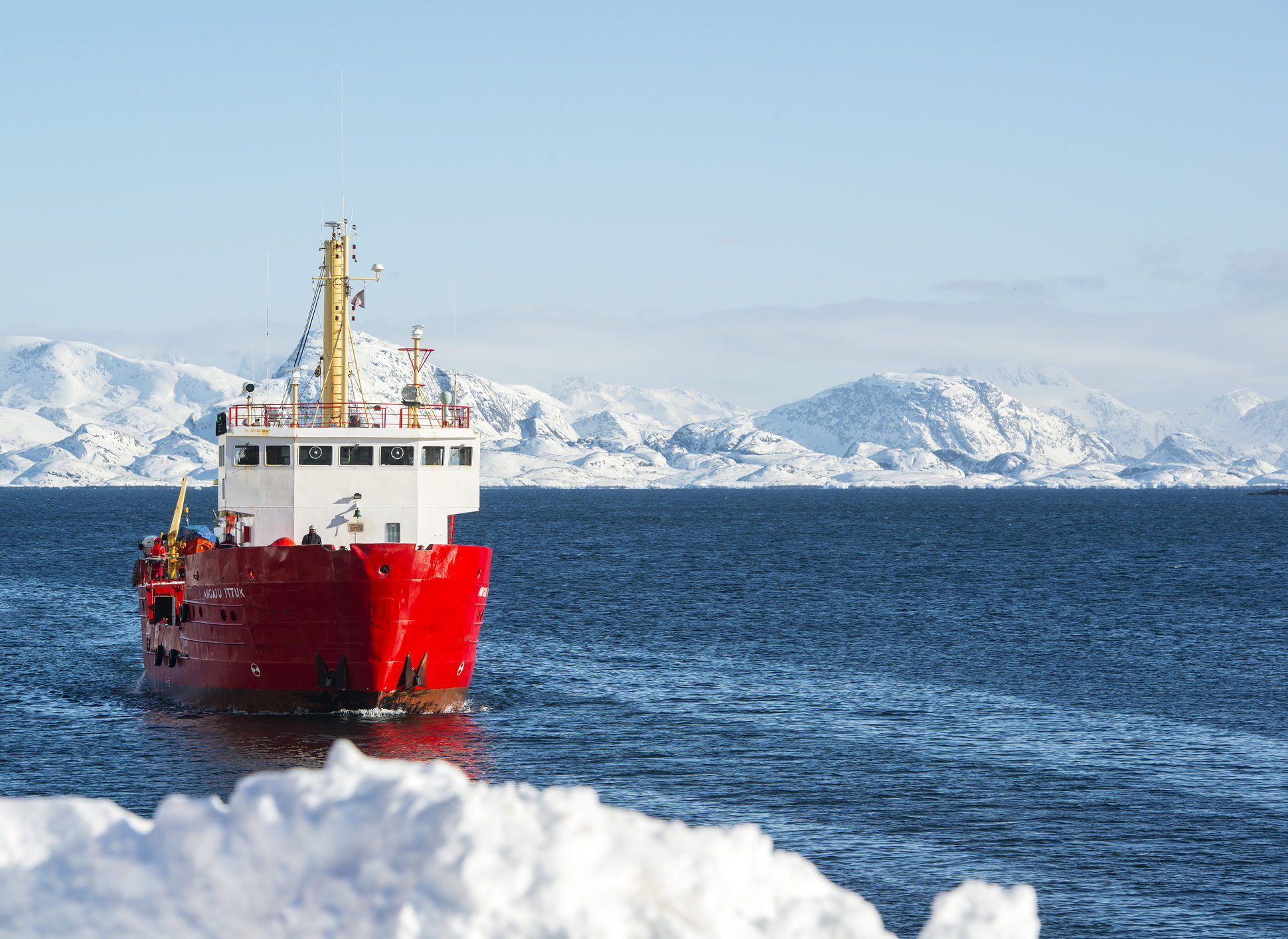
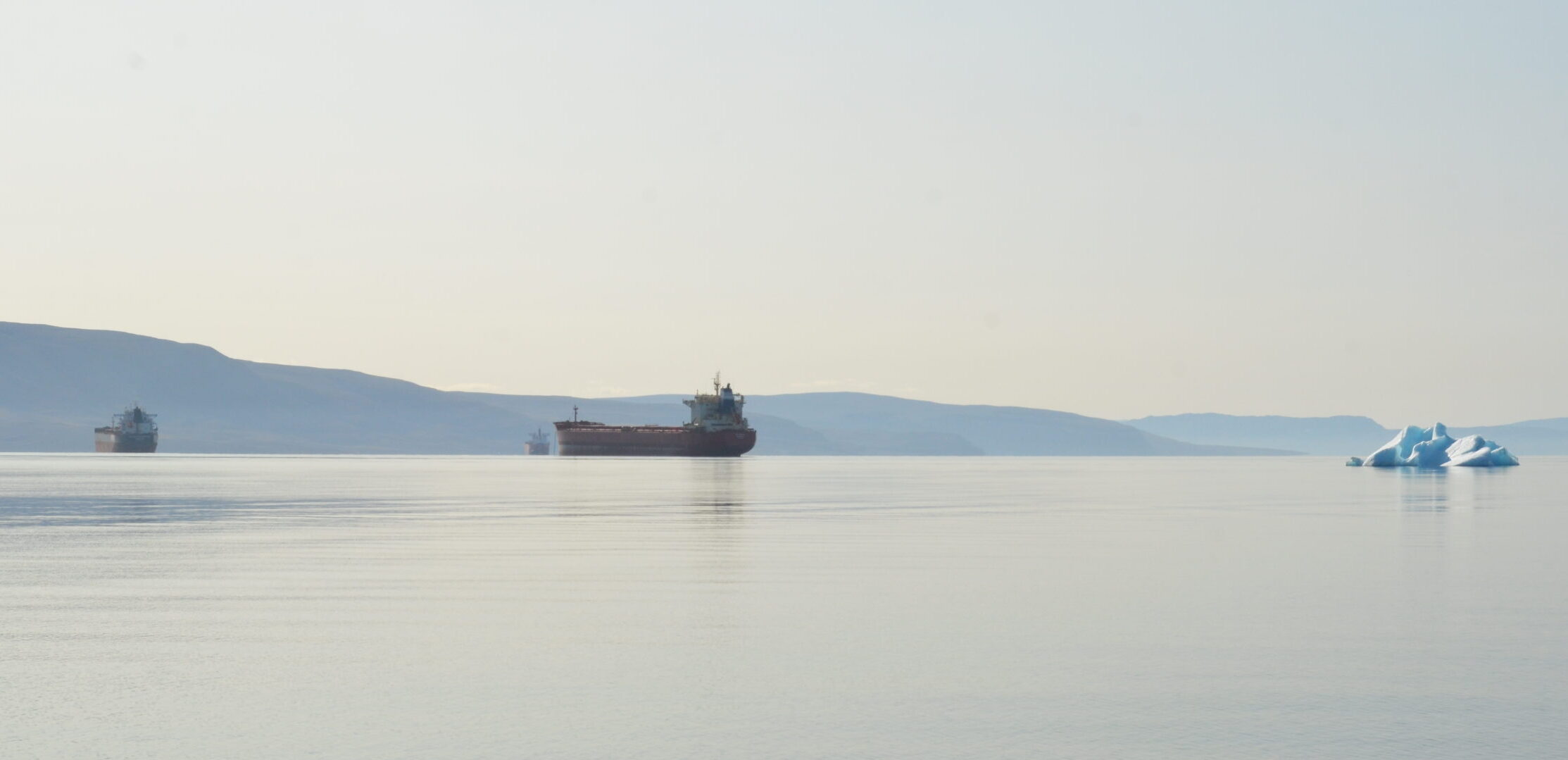
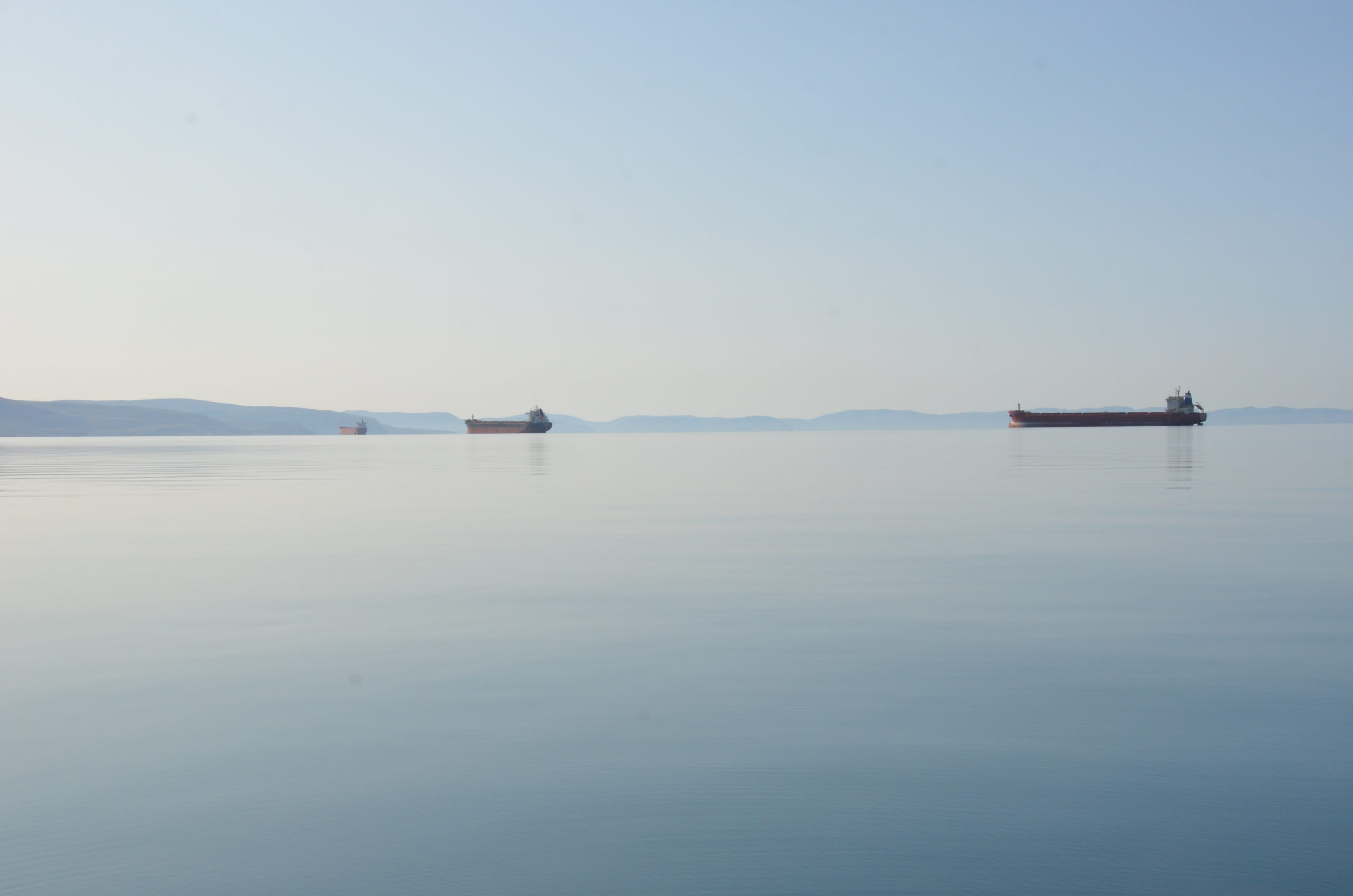
Several strong forces are converging on the Arctic, placing new stresses on the region and putting northern ecosystems and cultures at risk. While climate change opening up the previously inaccessible Arctic Ocean, rising fuel costs and other global trends have increased demand for new, shorter sea routes through the North, and access to the valuable commodities found in the Arctic. Increased shipping, mining, and tourism will create new economic opportunities, along with new environmental hazards. As open seas and resource prices combine to promote development in the Arctic, WWF anticipates a sharp increase in shipping traffic to service those developments.

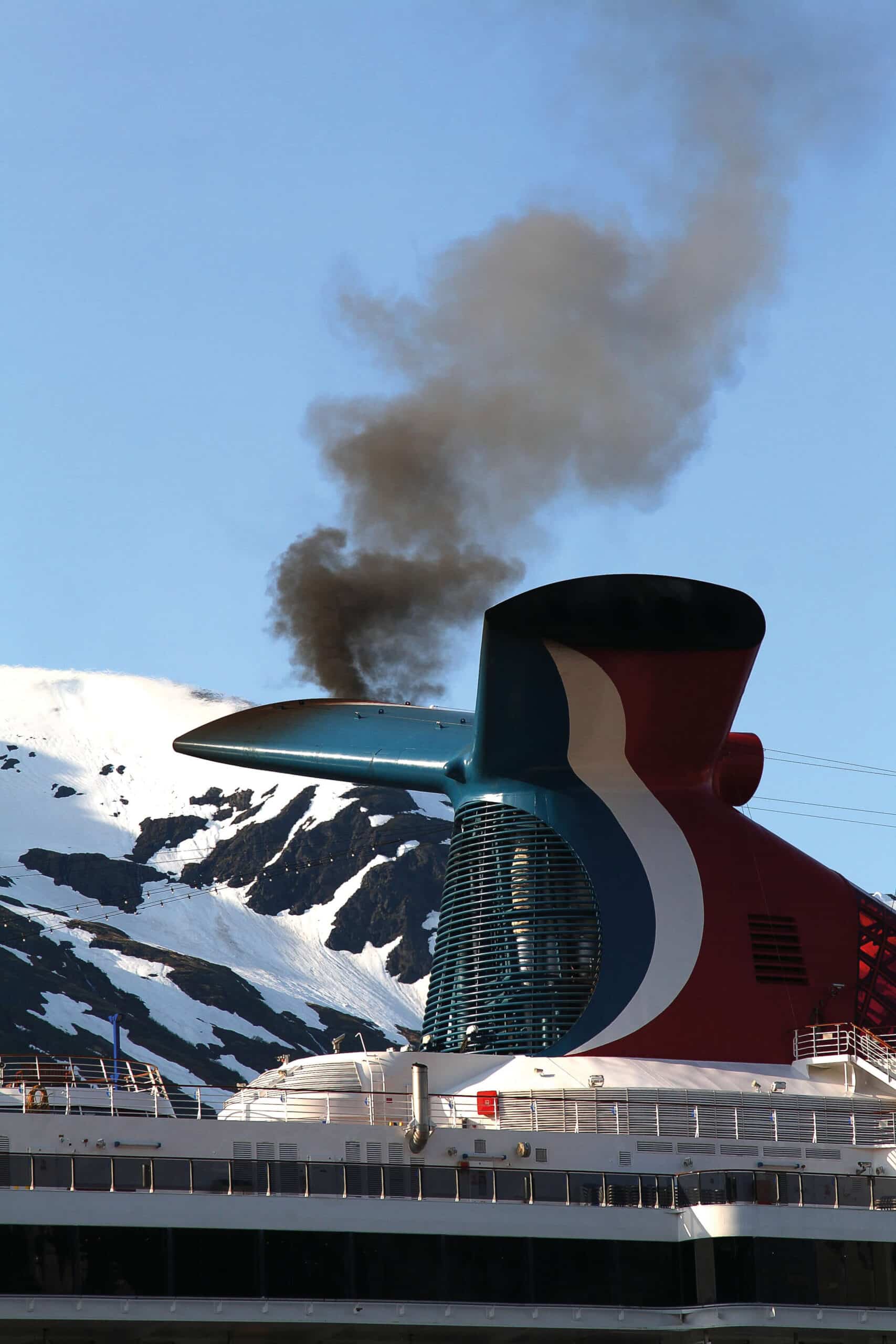
Any increase in development activity will have an impact on the environment. As the conditions are harsh and the support infrastructure is relatively scarce in Arctic waters, avoiding accidents and spills is critical. Regularly updated measures using the best information and technology are needed to avoid or minimize the effects of disruption of wildlife and release of pollutants including greenhouse gases.

The question is how Arctic shipping will be undertaken – the measures, precautions, regulations, and best practices that will address these concerns and maximize the benefits of development for northern peoples who rely on healthy Arctic ecosystems.

WWF is working to better understand potential environmental and social impacts of shipping on the Arctic environment and communities. We are engaging the shipping industry in discussions at the International Maritime Organization to create a Polar Code for Arctic Shipping. At the same time, we are supporting an ongoing dialogue about best practices in Arctic shipping to benefit northern communities while protecting the fragile Arctic environment.

WWF Expert

 / ©: Gayle McClelland / WWF-Canada
Andrew Dumbrille
Manager, Oceans & Arctic
Donate Now