Responsible Industry: Oil Exploration

Why We’re Concerned
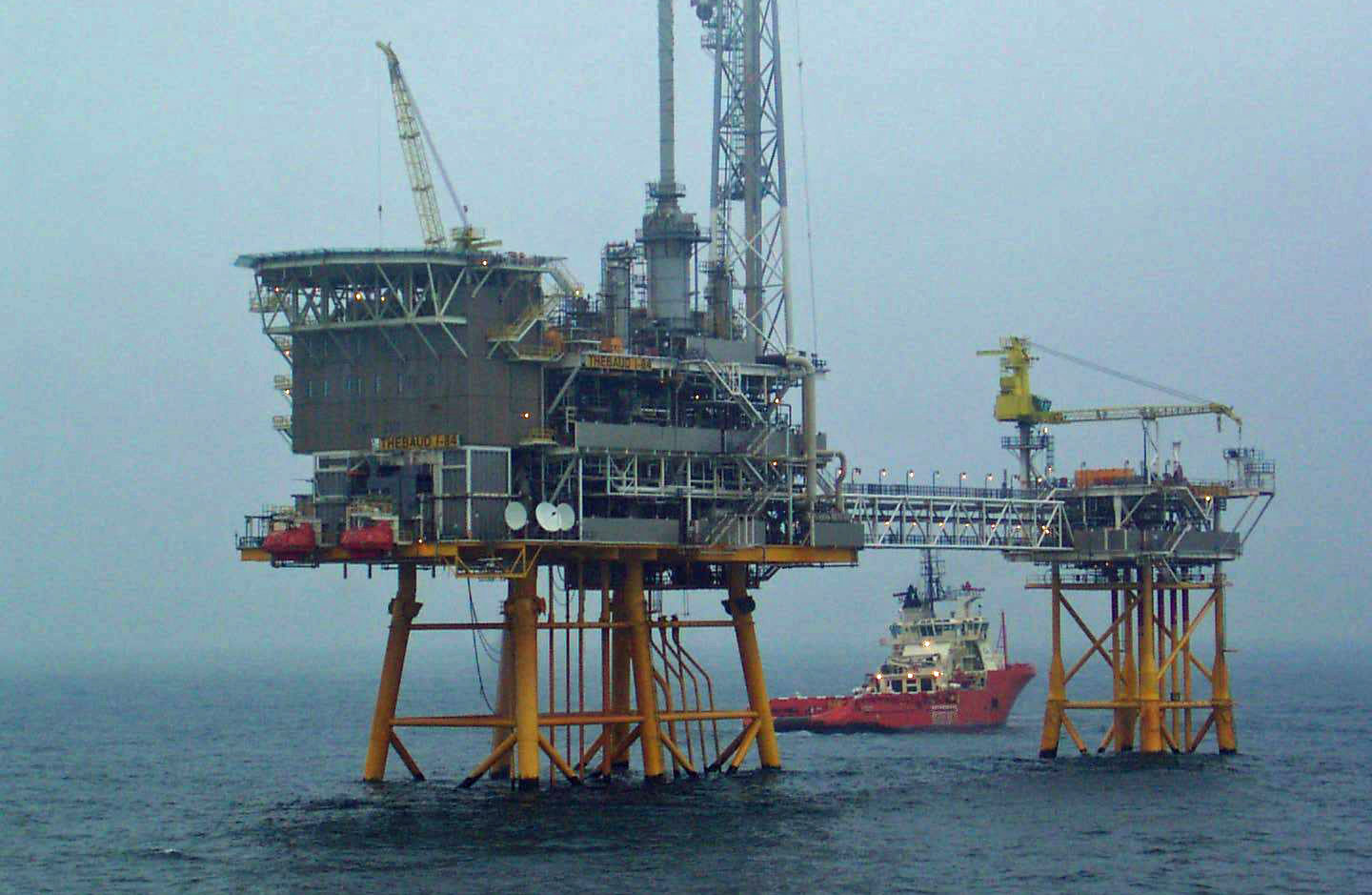
One year ago, the worst environmental catastrophe in U.S. history unfolded as almost 5 million barrels of oil leaked uncontrollably from the underwater Deepwater Horizon oil rig into the Gulf of Mexico. Neither the government nor British Petroleum had the means to stop it. The inevitable question arose: Could it happen in Canada? Yes, it could. Are we prepared to clean it up, particularly in Arctic waters? No we aren't.

The Risk in the Arctic

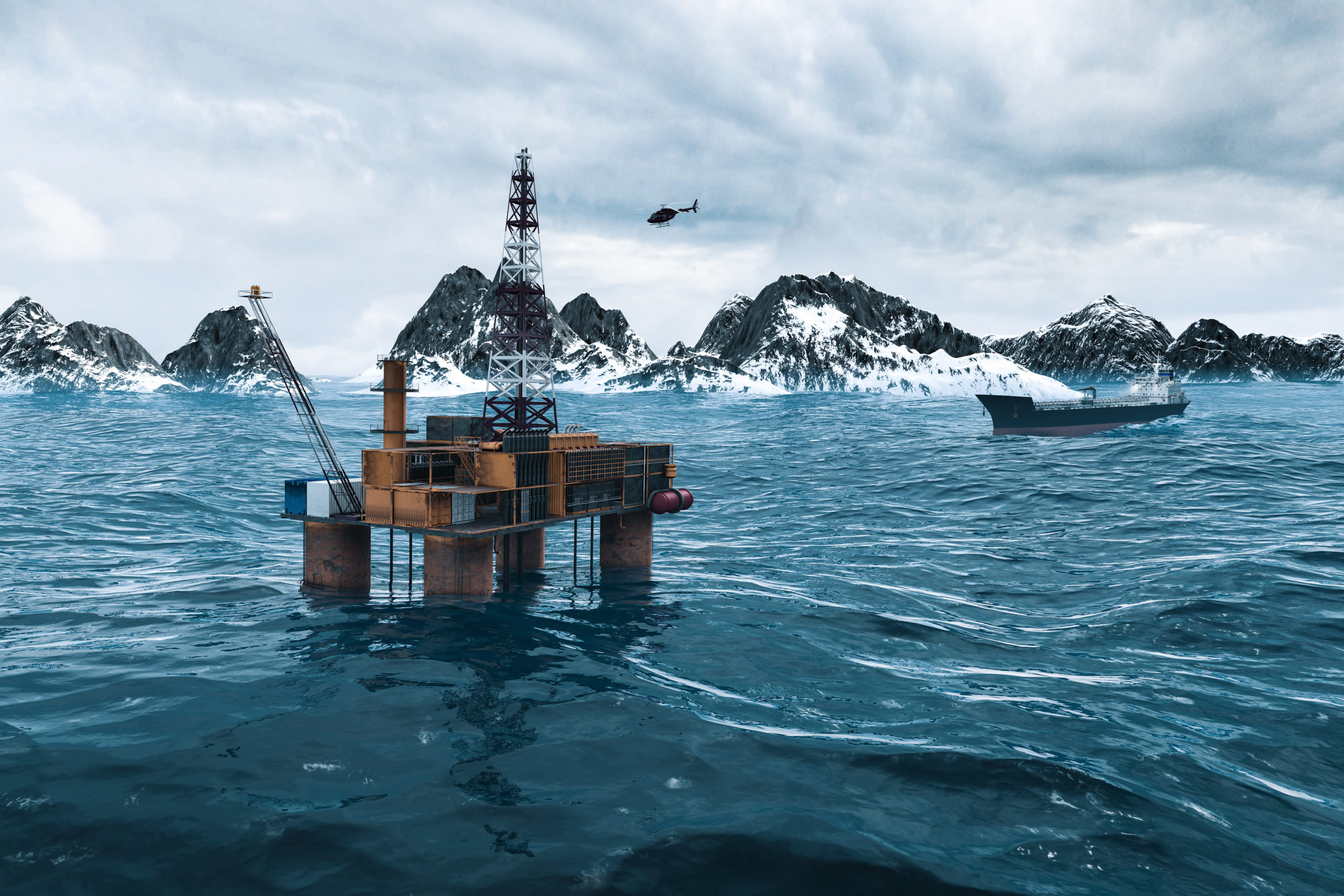
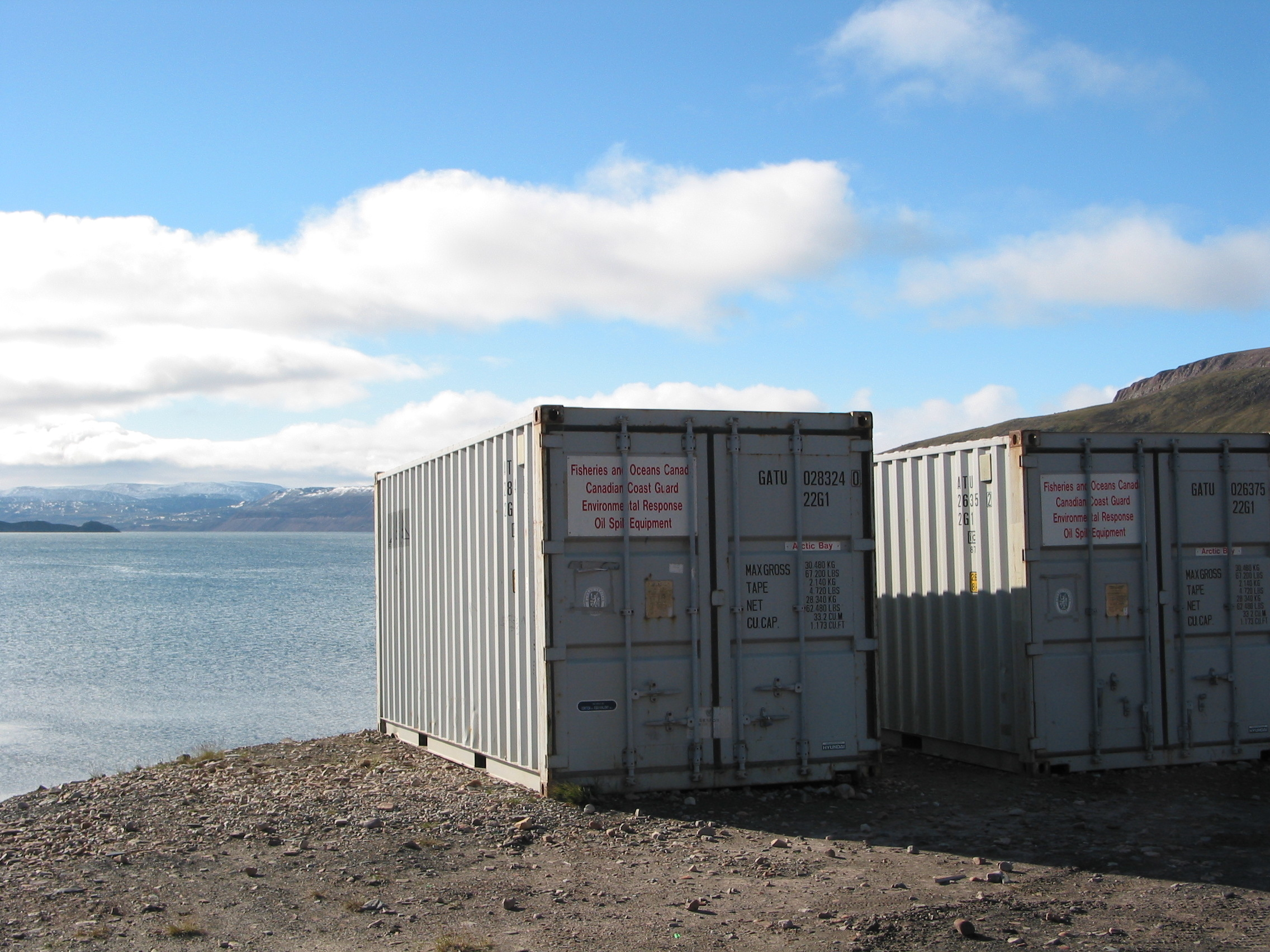
In fact, a disaster is more likely in our Arctic waters as Canada has a weaker regulatory framework that allows future Arctic exploration directly within protected and environmentally sensitive areas. Right now, we face a frightening trifecta of risk: our regulations aren’t as strong, the arctic environment is more harsh and unpredictable than the relatively calm Gulf waters, and our companies and country have far less capacity to clean up after an accident of similar magnitude. There are no known solutions to cleaning up oil in ice-covered waters, especially in extreme weather and darkness. The nearest communities have tiny populations with little infrastructure to deal with spills.


WWF Expert

 / ©: Andreas Hofweber
Martin von Mirbach
Director, Arctic Program

Global Arctic Programme

WWF-Canada is proud to host the organization’s Global Arctic Programme in Ottawa, Canada. Learn more about the Global Programme’s team and work.
 / ©: U.S. Coast Guard
Fire boat response crews battle the blazing remnants of the offshore oil rig Deepwater Horizon April 21, 2010.
© U.S. Coast Guard
The warming Arctic holds an estimated 25 per cent of the earth’s known remaining petroleum reserves and commercial activity is expected to climb as the area becomes more accessible and oil prices spike. Twenty-two oil companies hold 246 licenses to explore drilling in Canada’s Beaufort Sea. The leases overlap with 75 per cent of environmentally sensitive areas.

As activity in frontier areas using unproven technology ramps up, so does the environmental risk. Drilling is expected to start in the Beaufort by 2014 as BP and other oil firms make good on substantial contractual commitments to develop several leases in the ecologically-sensitive Beaufort Sea.
 

To view a larger version of the maps below, click on the map or link below each map.

Balancing Conservation and Development in Canada's Beaufort Sea Offshore Oil & Gas Development in the Canadian Beaufort Sea

What WWF Is Doing

National Energy Board

The National Energy Board (NEB) is the federal agency that regulates international and interprovincial oil, gas and electric utility industries. In the wake of the Gulf disaster, it launched a review of the safety and environmental requirements for offshore exploration and development in the Arctic. The agency is expected to table its recommendations in the fall of 2011 after consultations with northern communities and interested stakeholders.

WWF is working with the NEB to ensure that a disaster of the Gulf magnitude, or any large spill, never happens in the wild, fragile waters of Canada’s north, and that if it does, we can clean it up. All offshore petroleum activity involves risk but there are places and circumstances where it’s unmanageable. Where it’s considered manageable, processes and training would be implemented beforehand.

Represented by legal counsel Ecojustice, we are participating in the review, making substantive submissions that call for:
  1. The identification of particularly sensitive areas where wildlife should be protected from drilling.
  2. The creation of a new framework to govern how offshore petroleum development is conducted, if, when and where it is allowed.
  3. Improvement to our capacity to deal with spills when they occur.
Our latest NEB submission (April 2011) followed our preliminary submission (November 2010) .

Our contribution to the NEB process is taking several forms. First of all, we’re providing factual information and analysis to inform the matters under review by the NEB. This includes researching and synthesizing existing information. At the same time, we’re offering a rigorous assessment and analysis of the information submitted by other participants. We also anticipate that we’ll participate directly in the public hearings to take place later in 2012. Earlier this year we completed a report on Western Arctic oil spill response gaps. Our WWF-US office also commissioned an oil spill report.

In addition, our WWF-US colleagues put together a special report and video marking one year since the Gulf spill. It's a reminder of the negative impact oil and gas drilling could have on the people and wildlife in the Arctic.

Mexico oil spill: one year on


To achieve its goals, WWF works with key government, indigenous and industry players. We place a high value on partnerships to resolve these complex issues, to build momentum and support as we together create the conditions for responsible industrial practice.

Our WWF-US colleagues developed a cool, educational website explaining how man-made noise affects sea creatures. When they can’t hear, they can’t live!

 / ©: Kevin SCHAFER / WWF-Canon
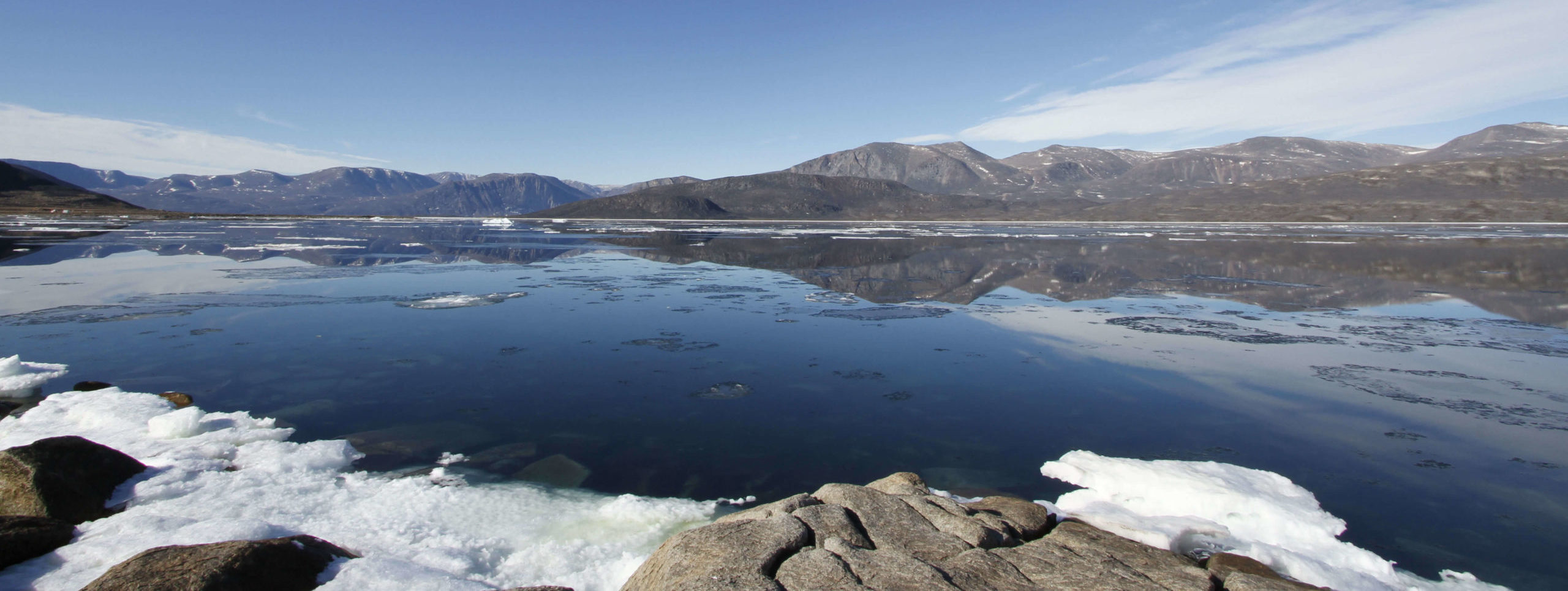
Pack ice lingers in early summer in the Bering Sea.
© Kevin SCHAFER / WWF-Canon

What Can You Do?

Donate: WWF is committed to seizing this opportunity to set proper regulations governing offshore exploration in Canada. WWF has opened an office in Canada's Arctic so that we can put our feet on the ground and start driving the change we know is needed by working face-to-face with the key players who must be part of the solution. Donate today to make change happen.
 / ©: WWF
Lessons Not Learned - 20 Years After The Exxon Valdez Disaster
© WWF

Exxon Valdez

Lessons not learned. 20 years after the Exxon Valdez disaster little has changed in how we respond to oil spills in the Arctic. Read report...