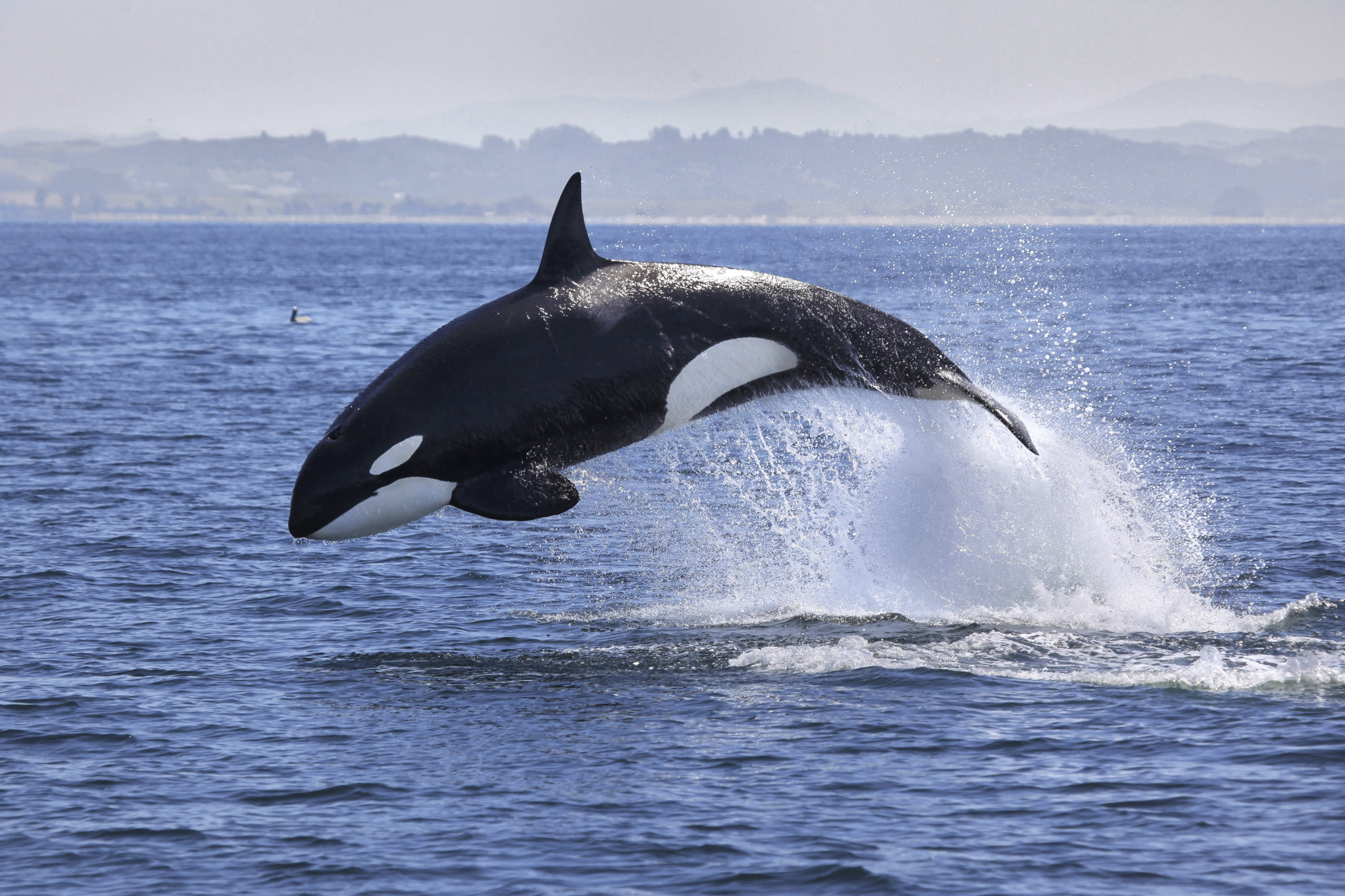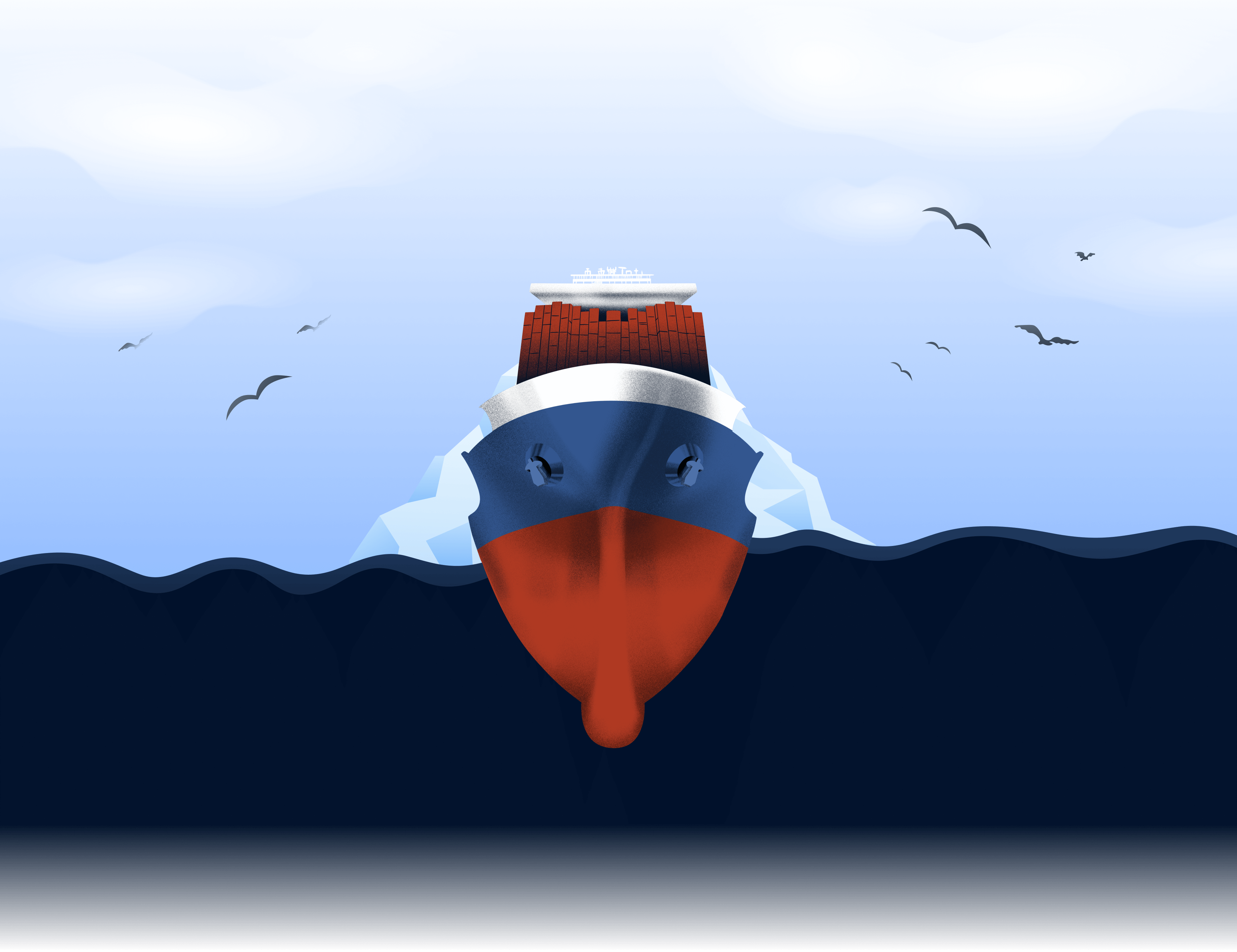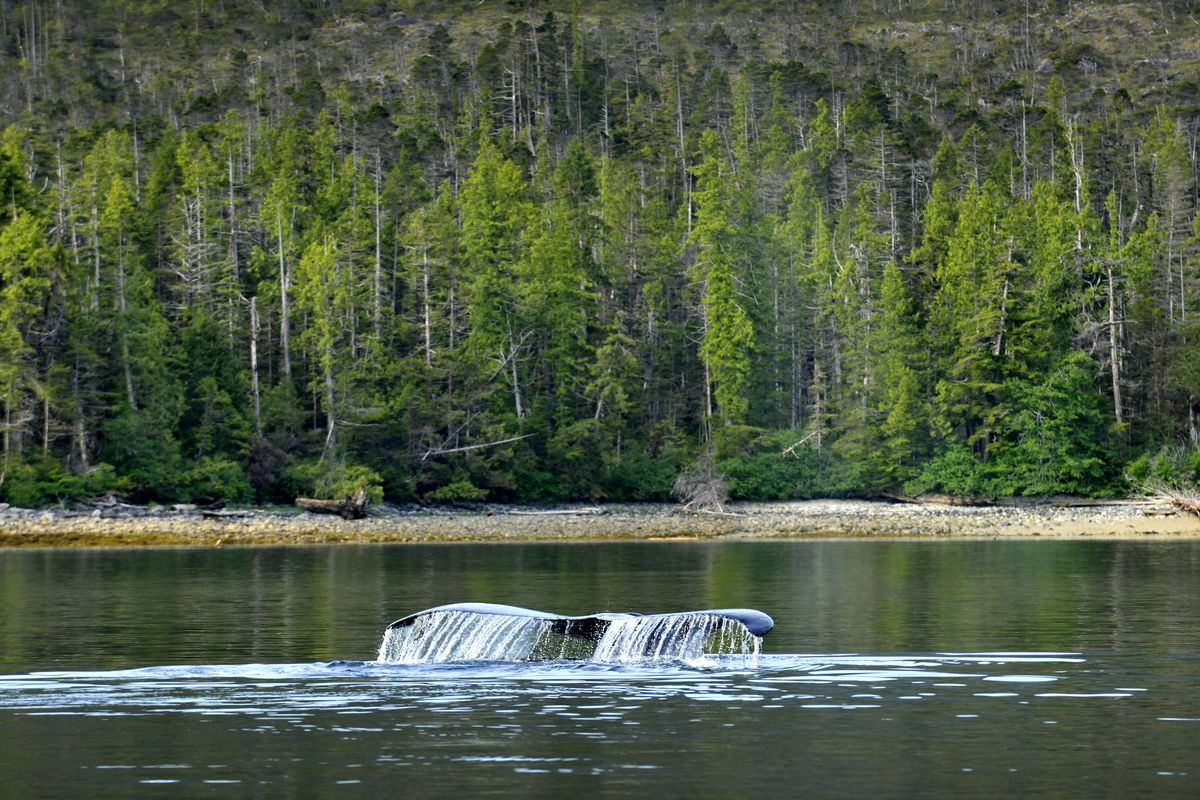


Centuries of overuse and neglect threaten to leave us with a vast blue wasteland. It’s time to change how we see the ocean from a place where we take what we want and dump what we don’t, to a shared resource of immense value and fragility.
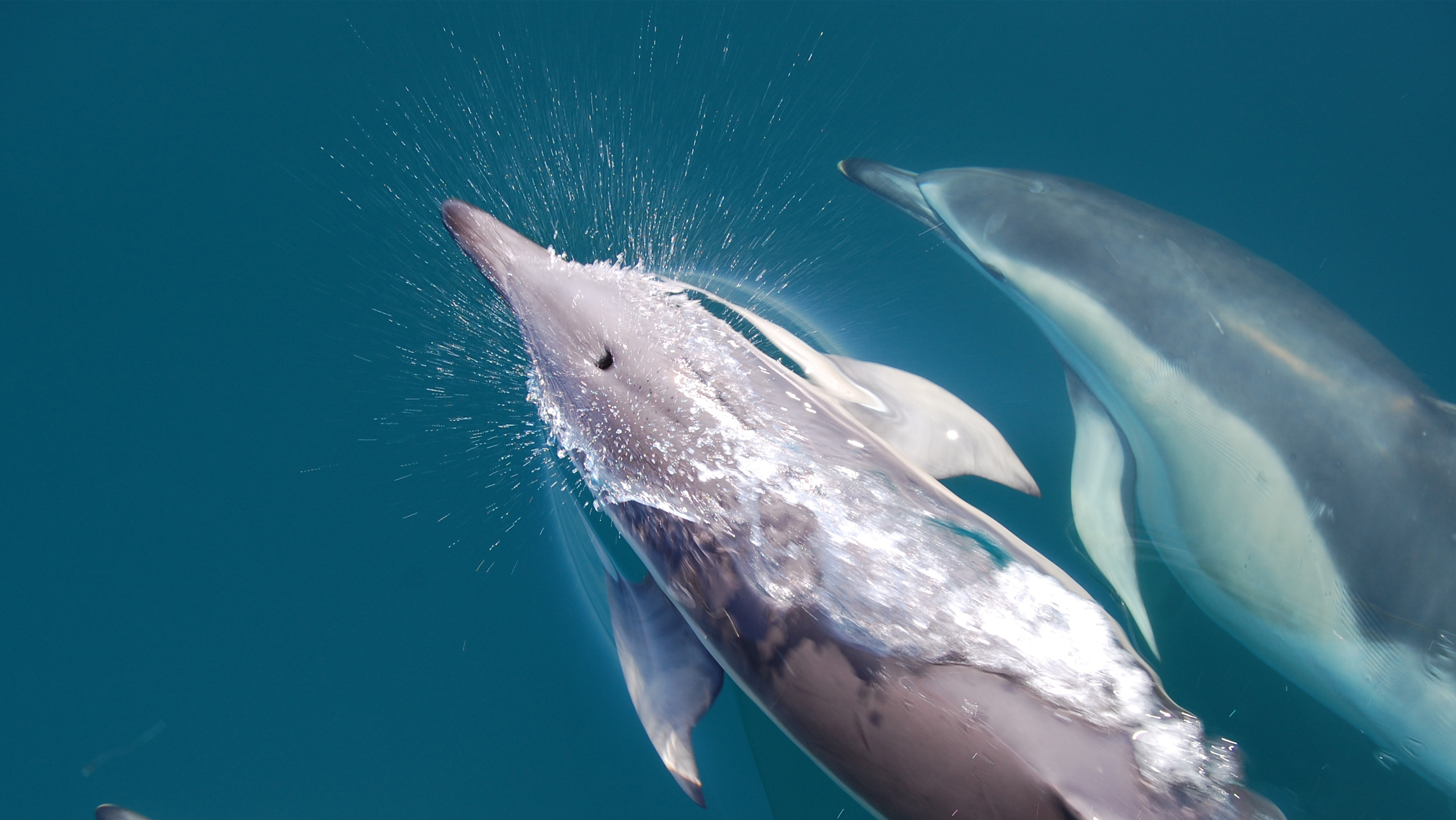
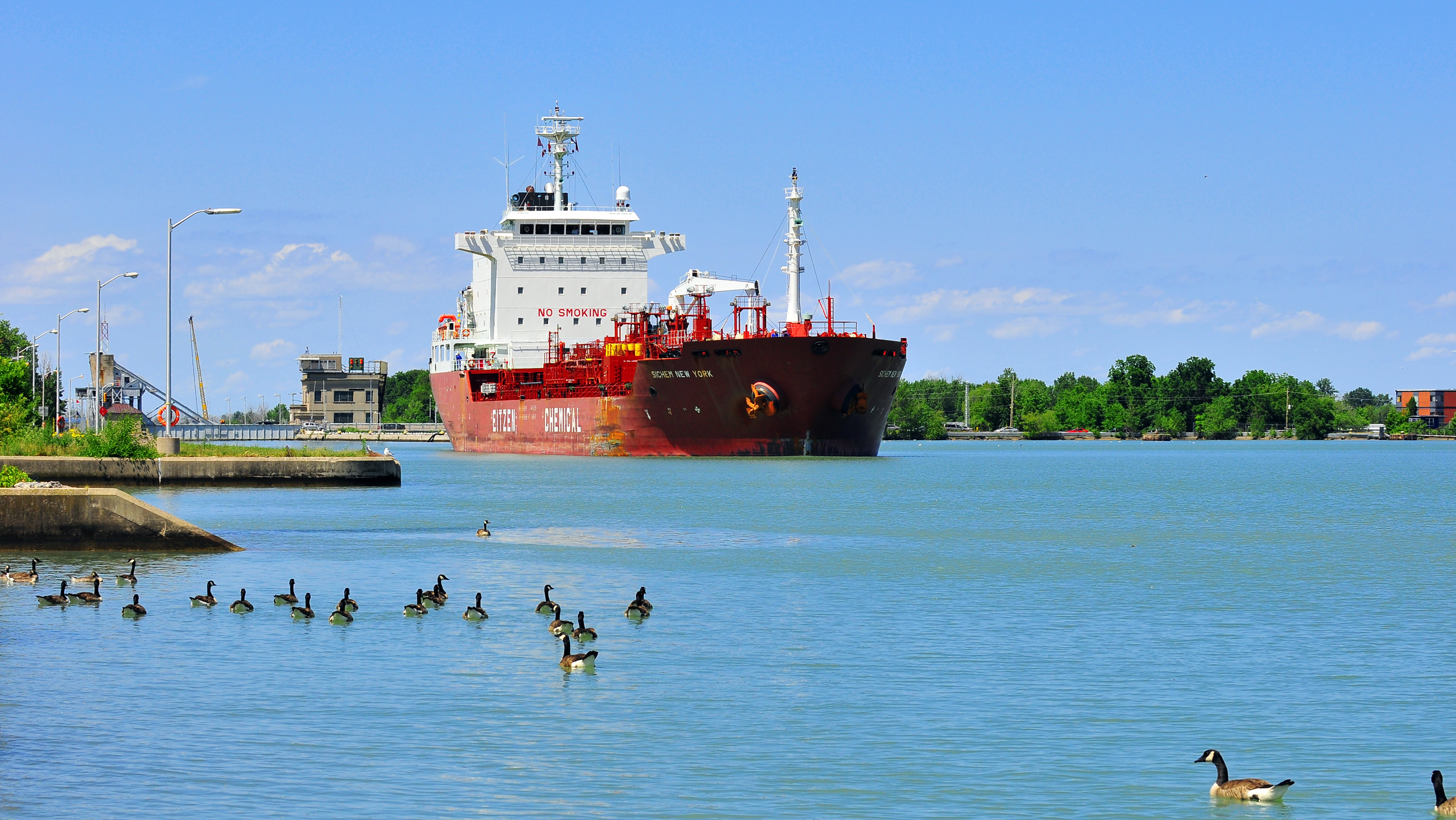
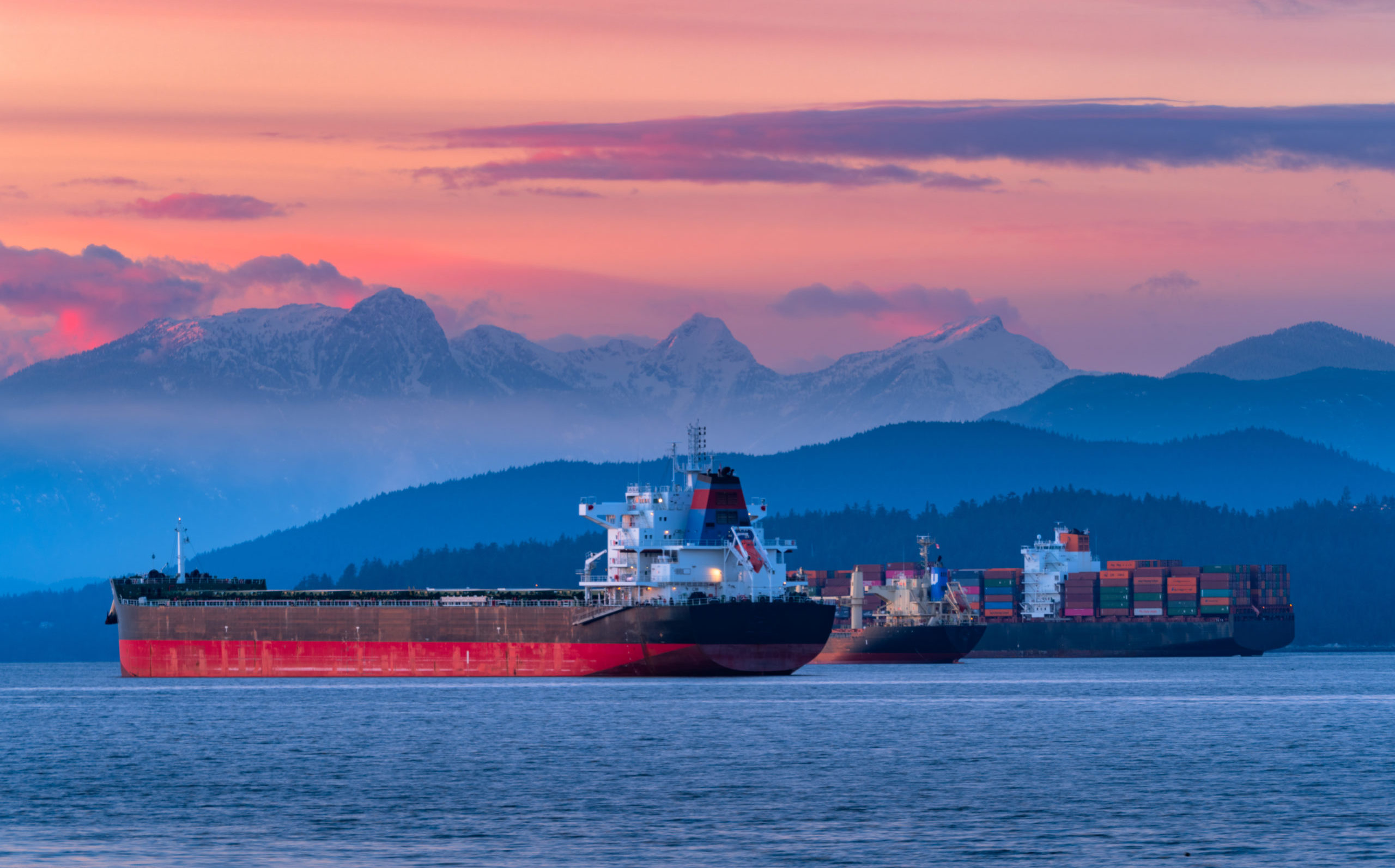
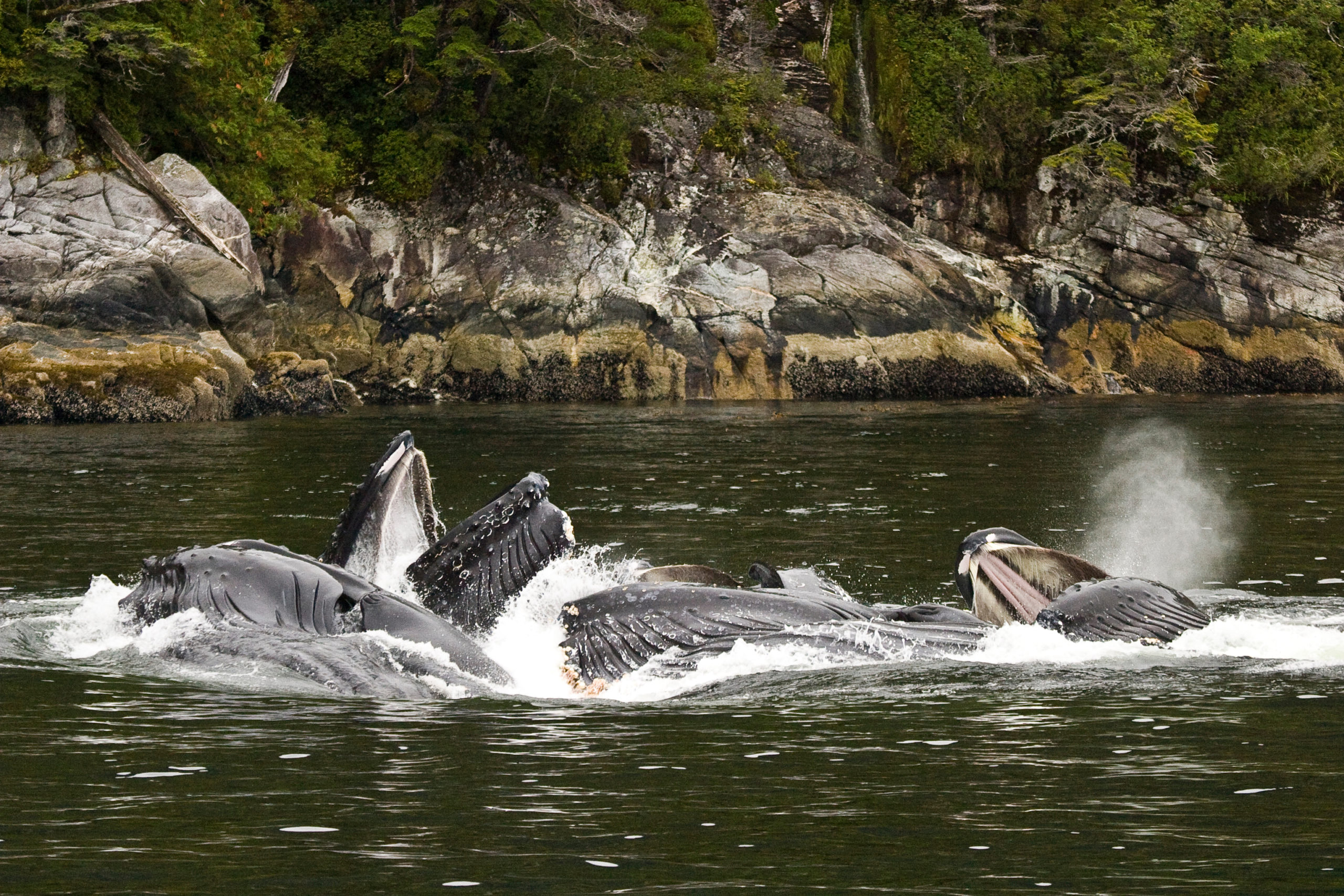
Once considered inexhaustible, the ocean is now in a state of global crisis as demands accelerate. Shipping, tourism, overfishing and bycatch, oil and gas exploration and extraction, renewable energy, pollution and the increase of coastal development — all of these take a toll on ocean habitats and species. What’s more, climate change is changing ocean temperatures and causing the ocean to become more acidic.
As the ocean warms and arctic sea ice melts, previously impassable areas are opened to shipping traffic, exposing wildlife to new stressors and impacts. For example, underwater noise in the Arctic more than doubled from 2013 to 2019.
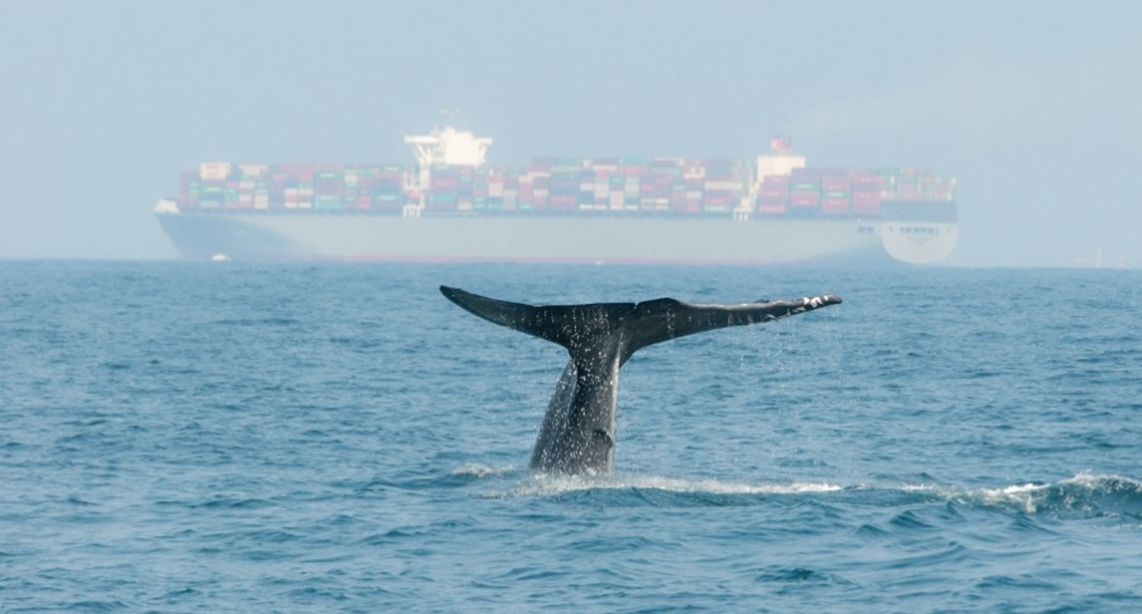
As for Canada’s east and west coasts, already-high levels of shipping continue to increase at around two to three per cent each year. More ships mean more noise, more discharged waste and greater chances of lethal strikes on marine mammals.
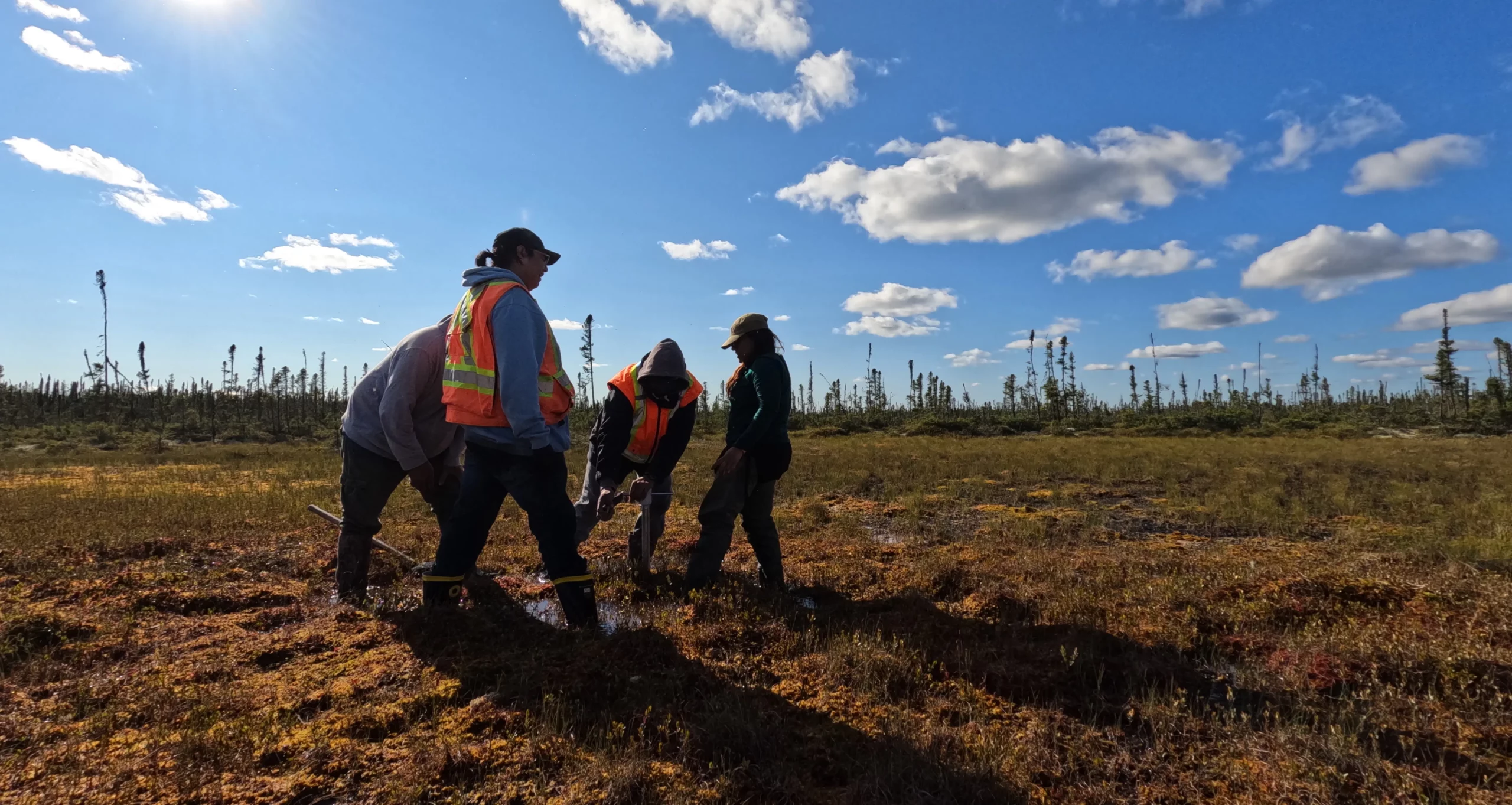
We urgently need smart ocean management plans that will protect important ecosystems and keep the ocean healthy. This includes a strong network of area-based protection measures with consistent and sufficient regulations to effectively protect marine ecosystems while supporting the communities that depend on these ecosystems. Additionally, protection, sustainable management, and restoration through nature-based climate solutions can provide benefits for biodiversity, the climate and even our own well-being.